#CanWeAvoidChineseExclusion? CCP United Front Infiltration May Spark a New Wave of Chinese Exclusion Backlash
Nov 11, 2024
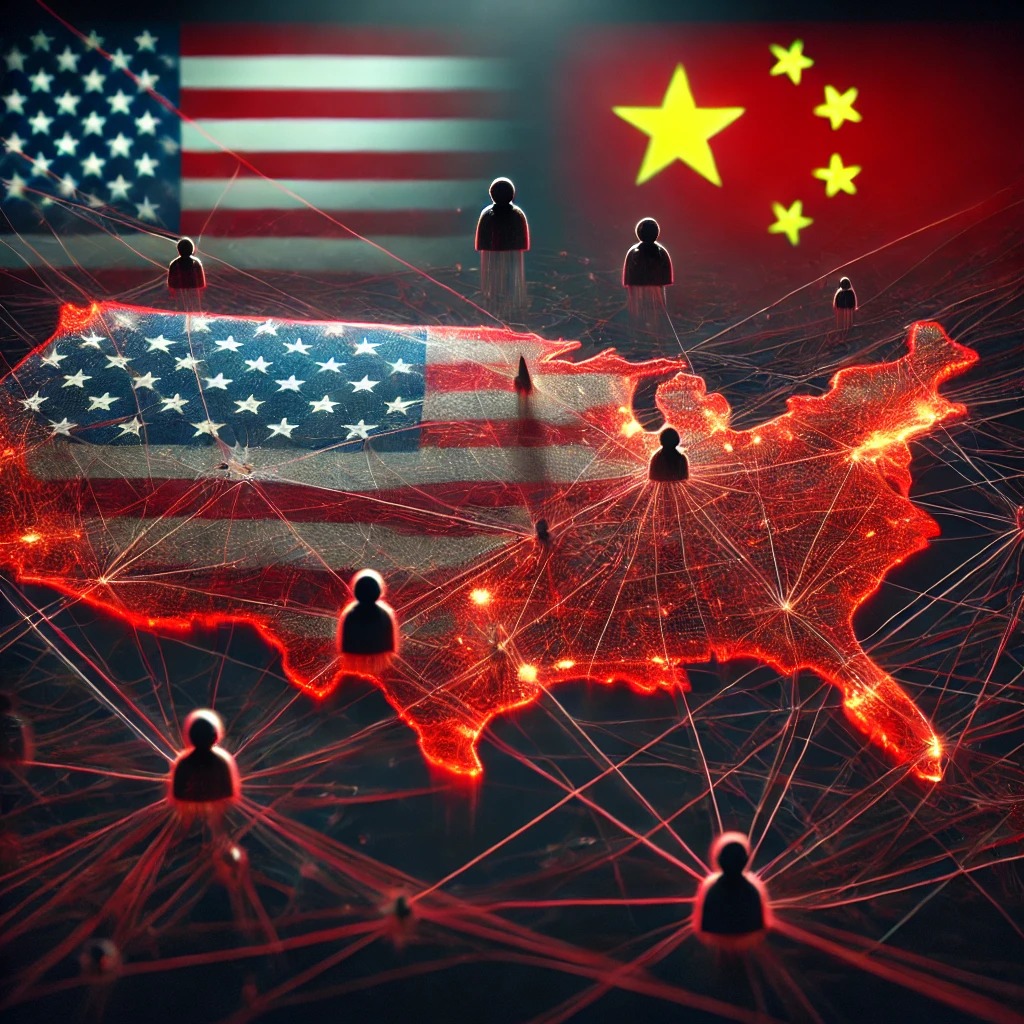
The Chinese Communist Party (CCP) government has woven an extensive network of connections within Chinese American communities in the U.S. through its United Front tactics. This influence strategy not only threatens the political independence of the United States but may also place Chinese communities in jeopardy. If U.S.-China relations deteriorate or break down, this covert network could become a trigger for widespread anti-Chinese sentiment.
The CCP’s covert infiltration through “relationship networks”
The CCP uses interpersonal networks to ‘build connections’ for infiltration, establishing power and influence abroad. In the U.S., the CCP has quietly built an influence network through various regional associations, student unions, business chambers, cultural societies, and thematic events and groups. Although these organizations ostensibly promote cultural activities or help Chinese immigrants integrate into local communities, in reality, they assist the CCP in advancing its political agenda.
For example, the connections between the Henan Association of America and Chinese American Congresswoman Grace Meng have come under scrutiny. Reports suggest that this organization not only participates in cultural affairs within the Chinese community but also maintains backdoor connections with the CCP, aligning its members with the objectives of the CCP’s United Front Work Department. This form of “silent infiltration” allows the CCP’s influence to expand gradually overseas, creating a covert network that is difficult to dismantle once it has taken shape.
The CCP’s united front infiltration raises the risk of a “Wave of Chinese Exclusion”
The CCP’s network of United Front influence poses a threat to U.S. national security and could also spark new racial tensions in American society. Due to the CCP’s control and infiltration of Chinese community organizations, ordinary citizens may find it difficult to distinguish which groups act as CCP proxies and which genuinely serve their communities. This confusion could lead to a perception that all Chinese Americans are potential “enemies.”
Historically, the U.S. has witnessed waves of anti-Chinese sentiment during periods of economic and political tension, such as the Chinese Exclusion Act of the late 19th century. Now, similar xenophobic sentiments could resurface. Should U.S.-China relations devolve into hostility, the Chinese American community may become the innocent target of collective suspicion and discrimination, bearing enormous economic and social pressures and even facing outright exclusion.
Preventing a Resurgence of Chinese Exclusion Sentiment
The re-emergence of large-scale Chinese Exclusion sentiment may not be impossible.
To prevent a repetition of this tragic history, Chinese community organizations need to remain vigilant, transparently distinguishing themselves from the CCP to avoid being drawn into its influence network. Group leaders should publicly disclose funding sources and partners, avoiding opacity that could lead to misunderstandings and hostility toward the broader Chinese community.
Meanwhile, American society must recognize the true intentions behind the CCP’s United Front efforts and take effective measures to monitor these covert networks. Strict enforcement of laws like the Foreign Agents Registration Act (FARA) can ensure that organizations representing foreign government interests disclose their funding sources and real intentions, thereby reducing foreign influence.
In summary, only through a collective societal effort can we ensure that the Chinese American community remains unscathed by the CCP’s United Front tactics, thereby preventing the spread of xenophobic sentiments and the resurgence of large-scale Chinese Exclusion backlash.